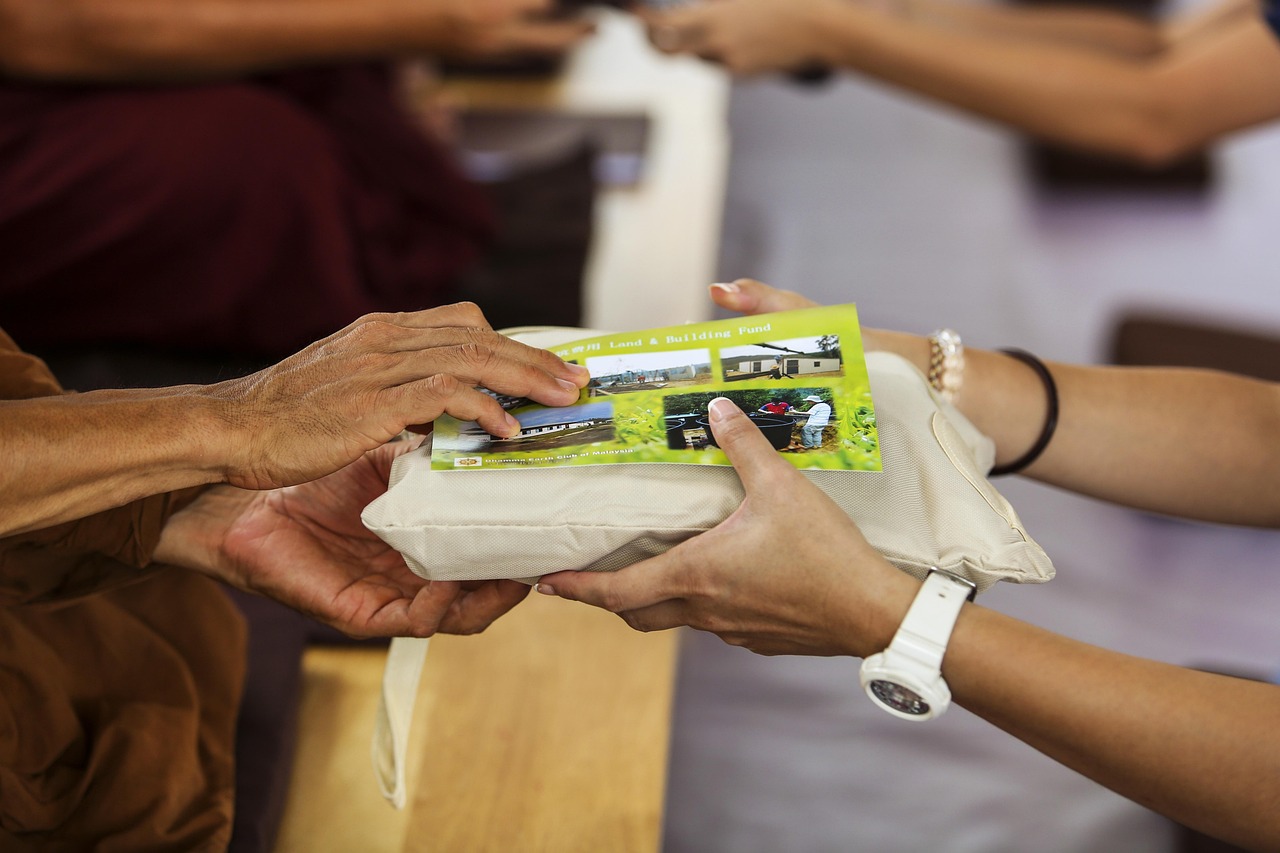
A light, informative post exploring how helping others boosts mental well-being, strengthens communities, and even improves physical health—backed by simple science and real stories.
Giving doesn’t just help others—it nourishes the giver in surprising, science-backed ways. When we donate or volunteer, our brains release endorphins and oxytocin, chemicals linked to happiness, trust, and connection—sometimes called the “helper’s high.” Studies show that acts of generosity can reduce stress, improve mood, and even support heart health. But it’s more than biology: giving gives us a sense of purpose. It connects us to people beyond ourselves, reminding us that we’re part of something bigger. Whether it’s funding a child’s education or serving meals at a shelter, generosity shifts our focus from “me” to “we,” fostering gratitude and perspective. Even small acts—like donating $5 or helping a neighbor—can boost self-worth and combat feelings of isolation. And when we give as a community, that ripple of well-being spreads: recipients feel supported, givers feel fulfilled, and the whole social fabric grows stronger. So while the person on the receiving end benefits deeply, the truth is—giving changes us, too. It’s not sacrifice. It’s a shared joy.

Leave a Reply